
Excellence Criteria and Efficiency Indicators for Rocketon Game
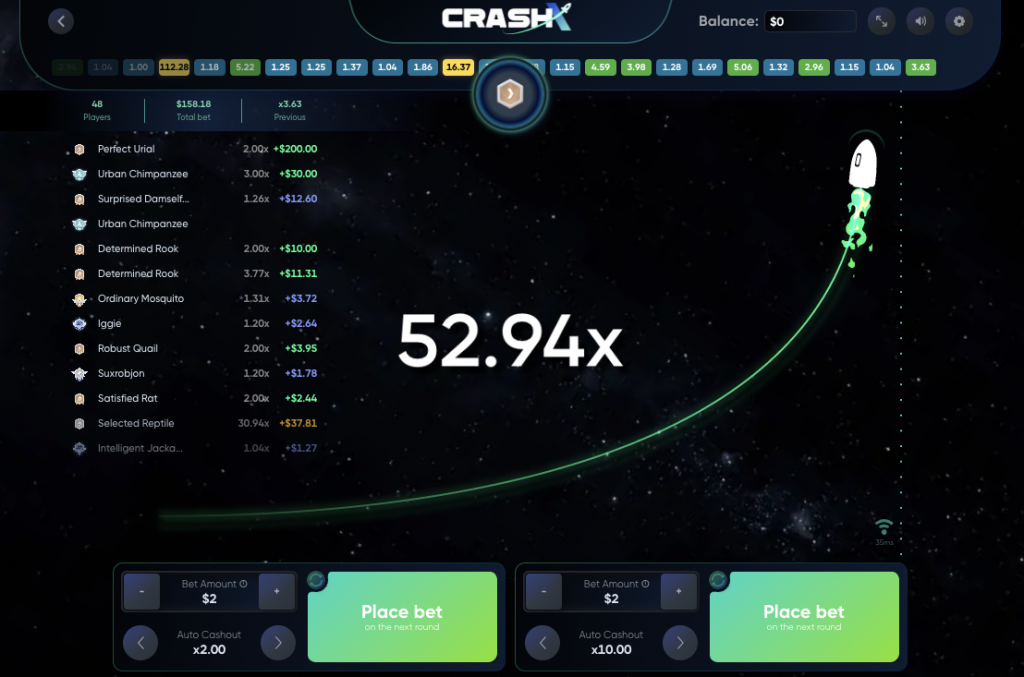
What defines an exceptional game? From my extensive experience with gaming, I think it hinges on a dedicated focus on quality and transparent, quantifiable performance. rocketon game mobile exhibits every hallmark of being crafted with that approach. It fully embraces the stringent standards that players in markets like the UK now require. This piece explores the structures and concrete data that define how Rocketon Game functions. My goal is to provide you with a clear view of how these benchmarks are established, maintained, and why they are important to you during gameplay. The focus is on guaranteeing that every deployment, enhancement, and minute you dedicate to the game feels trustworthy and valuable.
Setting Quality in the Gaming Industry
In my book, ‘quality’ in a game is about more than just squashing bugs. It includes the whole experience a player experiences. Look at downloading the game, starting it up, and playing through a session. For Rocketon Game, quality has to mean a world that is amazing and feels logical, controls that are natural and sharp, a progression system that’s fair and hooks you in, and a story or competitive loop that feels worthwhile. It’s the refinement—the sound design, the smooth animation, the art style unifying the experience. This holistic view guarantees the game isn’t just something that works. It becomes something you think about and get lost in, an experience you keep revisiting. That’s the objective for any game that aims to have longevity.
Technical Stability and Code Integrity
First and foremost, a game is software. Its foundation is technical stability. For Rocketon Game, this calls for strict code reviews, following programming best practices, and an architecture strong enough to handle complex physics and real-time action. You need to see evidence of low-latency networking, smart memory management to stop crashes, and systems that handle errors without falling apart. The team almost certainly uses CI/CD pipelines. These automatically run thousands of tests every time new code is added, catching problems early. This thorough work on the invisible engineering is what stops game-breaking glitches. It’s what lets those spectacular rocket launches and orbital maneuvers happen without a stutter, maintaining you absorbed in the flight.
Visual and Design Cohesion
Beyond the code, quality lives in the game’s look and feel. Rocketon Game has a specific aesthetic. Quality standards require that every single asset aligns with that vision. This means detailed style guides for the 3D artists, texture artists, and UI designers. Every cockpit gauge, planet surface, and menu screen needs to feel like part of the same universe. From a design standpoint, quality is evaluated by how well the game’s mechanics serve its fantasy. Does flying the rocket give you a sense of power? Do the missions help you learn in a logical way? This cohesion between art and design doesn’t happen by chance. It comes from a disciplined creative process where every asset and every rule is checked against a core creative idea. The result should be a single, compelling experience, not just a box of unrelated features.
Key Performance Indicators for Game Success
To transform abstract quality goals into something you can quantify, developers use Key Performance Indicators. These are the metrics I’d use to get an objective read on a game’s health. For Rocketon Game, KPIs are vital for understanding what players are doing and guiding support after launch. They usually fit into groups like engagement, monetization, and technical performance. Watching these numbers allows the team make decisions based on data. They might choose where to put resources for new content or which gameplay systems feel off. It creates a continuous loop where how players behave directly influences the game’s growth. This preserves the game fresh and enjoyable long after the release day hype fades.
- Daily/Monthly Active Users (DAU/MAU): These numbers indicate the game’s core engagement and staying power. A good ratio between daily and monthly users implies people are coming back often.
- Average Session Length: This calculates how long players stick around in one go. It demonstrates how captivating the core gameplay loop really is.
- Retention Rates (Day 1, Day 7, Day 30): These might be the most critical KPIs. They present the percentage of players who come back after their first play, after a week, and after a month. They’re a strong signal of whether the game has long-term legs.
- Monetization Metrics: This encompasses figures like average revenue per user and conversion rates for in-game purchases. It informs you if the game is financially sustainable.
Rocketon Game’s Development and QA Procedures
A game’s final quality is established long before launch, during the disciplined grind of creation and testing. Rocketon Game’s route to launch would use a organized pipeline. It likely starts with pre-production, where core systems get prototyped and evaluated for core fun. Full production comes next, with agile cycles where elements are developed and integrated in rounds. Here’s the critical part: quality assurance isn’t a final step. It’s a simultaneous, combined process. Testers work with developers from the outset, filing thorough bug logs that get categorized by criticality. This method guarantees critical problems—like a failure during a key sequence—are identified and resolved early. Minor visual glitches get logged for a refinement pass later on.
Internal and Public QA Stages
Supervised player testing is a critical stage of this protocol. An Alpha phase is typically internal or very limited. It concentrates on core features, stress-testing systems, and identifying major problems. After that, a Beta phase invites a wider, often outside, group of gamers. For Rocketon Game, conducting a beta in the UK would be incredibly beneficial. It provides real-world information on regional server loads, gains opinions on gameplay fairness from a diverse group, and verifies the localization and cultural suitability of the content. This phase is a ultimate, large-scale stress evaluation of the entire game universe before the official release. It delivers one final crucial collection of data to polish the gameplay to a shine.
Conformity and Verification Reviews
Running alongside functional testing are compliance and certification checks. To get on consoles like PlayStation, Xbox, or major PC storefronts, games have to satisfy strict technical and content rules. These checks encompass everything from applying the proper button commands and achievement frameworks for the console, to making sure the game doesn’t lead to hardware overheat. For a UK release, this also involves following regional rules. That includes specific age-rating board standards from PEGI and data protection standards under UK GDPR. Meeting these certifications is a mandatory step. It’s a sign that the game satisfies the platform’s baseline criteria for stability and security.
Player Feedback and Player Relations
Once a game is released, the most vital quality metric transfers to the players themselves. I see player feedback as an key, real-time quality pathway. For Rocketon Game, this means creating strong lines of communication: official forums, Discord servers, and social media channels that community managers actively oversee. These managers do more than posting news. They heed, they gauge player sentiment, and they direct critical feedback straight to the developers. A bug report from a player, a common complaint about a rocket’s handling, a popular request for a new mode—all of this qualitative data is invaluable. It provides background for the KPIs, providing depth to the numbers. It ensures the game evolves in a direction that is appropriate to the people who enjoy it every day.
Launch Support and Update Timelines
A game’s launch isn’t the end. It’s the beginning. The level of support after launch is what distinguishes flash-in-the-pan titles from games that become staples. For Rocketon Game, I’d https://tracxn.com/d/companies/ac8/__9Mo_OEVAatRhS4wK74YnoHlFLMi-133u31599rpOvZ8 expect a clear, communicated roadmap for updates. This support often has a structured structure: immediate ‘Day One’ patches for critical problems, regular seasonal updates with new content like missions or cosmetics, and larger expansions that add significant new layers to the experience. The quality benchmark here is all about reliability and communication. Players need to believe that bugs will be fixed quickly and that new content will uphold the same polish as the original game. This ongoing commitment builds enormous goodwill and loyalty. It turns a simple purchase into a long-term community.
- Critical Hotfixes: Rolled out within days to fix game-breaking bugs or severe balance issues that somehow made it past launch.
- Regular Content Updates: Arriving quarterly or with seasons, these add new missions, vehicles, and events to keep the gameplay feeling engaging and give players a reason to log in.
- Big Expansions: These are the big yearly or bi-yearly updates. They introduce major new gameplay systems, story chapters, or entire modes, effectively growing the game’s universe in a significant way.
Evaluating Against Competitors
To truly grasp its own place, Rocketon Game needs to be looked at alongside its peers. Evaluating against competitors doesn’t mean copying them. It involves understanding your own performance and identifying industry best practices. I’d look at similar space-flight or simulation games on the market. I’d review their Metacritic scores, their player retention graphs, how often they release new content, and the state of their communities. How does Rocketon’s graphical quality measure up? Is its tutorial for new players more effective or worse? What does its end-game content resemble compared to others? This kind of analysis identifies opportunities to stand out and points out potential weak spots. The goal is for Rocketon Game to not just meet the current market bar, but to strive and clear it, carving out its own distinct and high-quality space.
Future-Proofing and Strategic Plan
In conclusion, quality today means considering tomorrow. It’s about building a game on a framework that can handle years of expansion. For Rocketon Game, this is strategic planning. On the technology side, it demands a server structure that can scale and clean, modular code so new elements don’t disrupt old ones. On the creative side, it means building a lore and a setting with capacity to expand. The long-term roadmap should be a evolving plan, guided by both the team’s vision and what gamers say. It might point to ambitious future enhancements like enabling players build space stations, incorporating deeper interstellar travel, or even promoting competitive esports leagues. By preparing for the long haul from the very outset, the team demonstrates a dedication to sustained quality. It signals players that their investment of time and energy is based on a foundation meant to persist.
The quality standards and performance metrics for Rocketon Game form a connected system. It links proactive planning, tough validation, active engagement, and steady maintenance. From the basic programming and art consistency to the vital KPIs and the plans for after release, each element functions with the others. The aim is to create something trustworthy, engaging, and engaging for the long haul. By adhering to these high criteria, especially in a market where players are vigilant, Rocketon Game strives to be more than just another title. It aims to be a evolving platform for discovery, building a universe that players enjoy investing their time and enthusiasm into for many years.
