
United Kingdom Adopts Big Bass Crash Game Player-Centric Philosophy
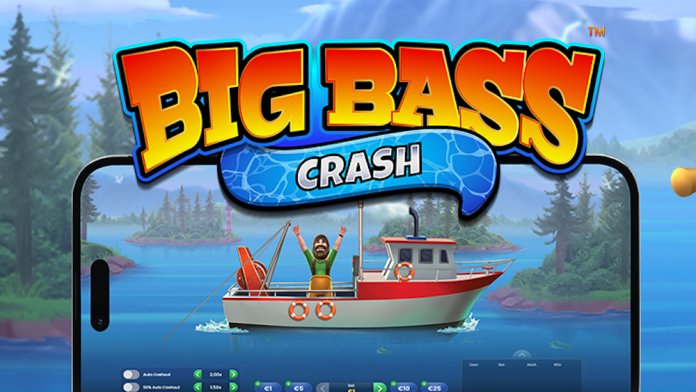
The fight for attention in internet gaming is intense https://bigbasscrash.eu/. Developers often lean on dazzling visuals or nonstop promotion. Yet a different pattern is forming. Real lasting success doesn’t rely on tricks. It originates from a straightforward notion: put the player first. This is known as a “Player First” approach. It means clear rules, fair play, and letting the community guide a game’s evolution, rather than pursuing fast profits. The UK gaming scene, renowned for its savvy players and tight oversight, shows this perfectly. Consider the Big Bass Crash game. Its rise isn’t a fluke. It’s a powerful lesson. When a game’s design reflects what players truly value, it builds a dedicated following. This synergy is transforming what players want. It proves that in today’s digital world, the best strategy is to make the player the priority.
Understanding the “Players First” Approach in Gambling
“Players First” is more than a catchphrase. It’s a blueprint that defines a product from the ground up. It influences how the product operates, how the studio talk with players, and how it improves over time. The old model viewed users as buyers. The new model sees them as collaborators. This collaboration requires transparent mechanics, not gimmicks that capitalize on human nature. It requires clear, upfront information on any money wagered. And it entails heeding when users give feedback. In places like the UK, with strict consumer protections, this philosophy works naturally with both the rules and the regional environment. For a game like Big Bass Crash, it’s about building credibility through dependable mechanics. The fun should come from the product itself, not from concealed rates or a push to keep spinning. The outcome is a healthier environment that helps everyone.
Openness and Equity as Non-Negotiable Pillars
UK users, shaped by stringent rules from the UK Gambling Commission, do not consider transparency as a bonus. They regard it as a right. Big Bass Crash fulfills this demand head-on. The randomness of each crash is confirmable and secure. The game typically uses validated Random Number Generator (RNG) frameworks that endure regular audits. It does not assert to be a skill game where it isn’t. Instead, it offers itself honestly as a game of luck with one distinct instance of planning. This integrity builds a name. Users can interact knowing the platform’s soundness is a focus, which is a foundation of safe play. The reverse approach—a sense that results are manipulated or unclear—erodes faith rapidly. That is a pitfall the product’s developers meticulously evade.
Creating a Group Centered on Common Experiences
The experience of Big Bass Crash transcends a single player’s screen. It builds a Player First world by crafting shared moments, which are key for a game’s lifespan. The format is social by nature. Multiple players experience the same climbing multiplier curve, experiencing the collective buzz as the numbers rise. This organically sparks conversation. People exchange tactics and rejoice or groan over a crash together. Online platforms and live streams enhance this effect, turning a solo game into a group spectacle. Developers and the sites hosting the game often encourage this. They spotlight major wins and provide space for players to interact. This community work alters the game. It ceases being just software and becomes a social spot. The value isn’t only in a potential payout, but in joining a group’s exciting moment.
The Strategic Simplicity That Empowers Players
Big Bass Crash finds its power in a simple idea. This straightforwardness, oddly enough, results in serious engagement. Players don’t have to learn complicated guidelines, symbol guides, or extensive paytables. Everything boils down to a single, crucial decision: pressing the “Cash Out” control before the multiplier crashes. This sharp focus gives power to the player. Only they are accountable for their selection, depending on their own appetite for risk. It generates a palpable suspense, a immediate link between action and outcome. This sense of agency is central to the Player-Centric philosophy. By reducing the experience to only one clear, player-controlled gamble, the title values the gamer’s freedom and decision-making. A win seems like a private achievement. A setback feels like a familiar chance, not a bewildering error in the platform.
Ethical Gaming Design Integration
A genuine Player First philosophy must consistently support ethical play. Here, the entire structure of Big Bass Crash provides inherent safeguards. The product is built on short, distinct rounds. This forms natural stopping points, unlike the endless, automatic-pilot loops of some slot machines. Trustworthy UK platforms add to this by including mandatory tools like deposit limits, session timers, and easy links to support services such as GamStop and GamCare. The game’s straightforward design also assists with self-monitoring. Because the core action is a single, considered cash-out decision, players might stay more conscious of their wagers compared to the rapid, automated play of alternative genres. This design shows that responsible play can be part of the game’s core, not just a sidelight in the terms.
What makes the British market is Particularly Receptive
The UK’s internet casino market is among the most mature and tightly regulated anywhere. This has produced a gambling audience that is both highly safeguarded and highly selective. Years of regulatory changes have informed players about their entitlements and what fair, ethical design involves. They are swift to abandon games that feel manipulative or hide information. Big Bass Crash, with its unambiguous mechanics, focus on controlled choices, and seamless integration with responsible gaming tools, fits perfectly into this landscape. It meets legal standards not as a tedious necessity, but as a core design principle. Its growing popularity demonstrates a market making a choice. Players are opting for a product that aligns with their beliefs. They choose direct, entertaining, and respectfully made games over those that are built purely on glitzy gimmicks or habit-forming loops.
How Big Bass Crash Reflects Core Player-Centric Values
Big Bass Crash puts its player-first talk into reality through specific design elements. The main game system is a multiplier that ascends a curve until a random “crash” takes place. In appearance, it’s uncomplicated. Players comprehend the risk and reward right away. There are no hidden mini-games or confusing bonus features to complicate the picture. This clarity is paramount. The game also bypasses elaborate stories or complex leveling systems that might guilt players into longer rounds. Every round is a fresh beginning. The player decides when to play and for how much time. A clear, intuitive interface remains in the background. The focus stays on that one strategic decision: when to cash early. This design honors the player’s discernment. It presents a tool for fun, not a maze designed to trap and hold attention.
Comparative Analysis: Player-First vs. Conventional Models
Pitting the Player First model with older game designs demonstrates why it’s becoming popular. Many traditional games, especially in the online casino sector, use strategies aimed at keep players hooked on the screen and spending incessantly, at times without their full consciousness.
- Complication vs. Clarity: Classic slot machines might feature complicated bonus games and dozens of paylines that are hard to follow. Big Bass Crash presents one clear mechanic.
- Control: Games with auto-play and quick-spin options can make the player a passive spectator. Big Bass Crash demands a hands-on, conscious decision for every single round.
- Clarity: Some games conceal their Return to Player (RTP) percentages or display extreme fluctuation. The crash game model offers an immediately clear, though unpredictable, risk profile.
- Community: Plenty of games are lonely endeavors. The crash format naturally builds a shared, live experience.
Gaming’s Future: A Permanent Change Focusing on the Player

The enthusiastic welcome for Big Bass Crash’s ethos in places like the UK suggests a greater, enduring transformation for the field. As users grow more knowledgeable and governing bodies tighten rules, the business case for unethical or exploitative design fades. The road ahead leads to games crafted for sustainable engagement, where trust and enjoyment are the primary instruments for keeping players. We can expect to see more advancement in transparent mechanics, improved social and community features, and even smoother inclusion of responsible gaming tools within the game experience. Games that follow the Player First blueprint, emphasizing long-term community over immediate profit, are poised to shape this new era. They demonstrate a basic truth. The most effective way to build a thriving game is to genuinely respect the thinking, autonomy, and interests of the user holding the device.
